
Secure Self Storage in Hervey Bay
- Fraser Coast to Sydney & Beyond
- Transit Insurance on Every Move
- 20+ Years in Removals & Transport
Request a Call Back
Contact Us
Thank you for contacting Wide Bay Removals.
We will get back to you as soon as possible.
Please try again later.
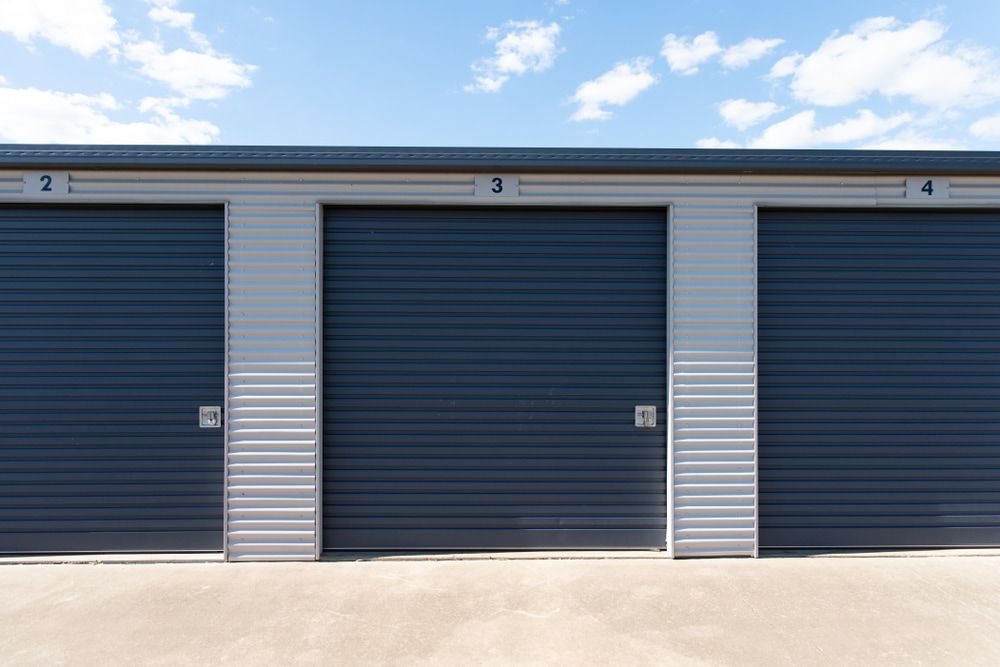
Secure Storage for Households & Businesses
Clutter piling up in the garage or a move that hasn’t quite lined up with your new place, sometimes you just need extra space. At Wide Bay Removals, based in Hervey Bay, we provide self storage that’s safe, flexible and easy to access. Whether it’s furniture, boxes, business records or heavy equipment, our storage facilities keep everything protected until you’re ready.
With short-term and long-term options available, you only pay for the time you need. Units are secure, monitored and designed to handle everything from small household goods to bulky belongings.
Transit insurance is also available for added peace of mind, making storage one less thing to worry about during a move. To find out more about our self storage options, reach out to our removalist team on
07 4124 3941 today.
Short & Long-Term Self Storage Options
Storage isn’t one-size-fits-all. Some people need a unit for a few weeks between house settlements after moving house, while others want long-term space for seasonal items or business equipment. That’s why our secure storage is designed to be flexible.
We offer clean, well-maintained self storage facilities that keep your belongings safe until it's time to collect them. For heavy or unusual items, we can arrange professional moving support and packing materials to ensure everything stays in top condition.
With simple booking, fair pricing and storage options suited to households and businesses alike, our removal service takes the hassle out of finding a safe place for your belongings.

Can self storage be used during renovations?
Yes, many homeowners use self storage when renovating to protect furniture, appliances and personal belongings from dust, paint and potential damage. Short-term units allow you to clear rooms and create space for trades without the risk of breakages.
Once the work is complete, your items can be returned to the home in the same condition they were stored. It’s a simple way to keep your renovation site functional while safeguarding your possessions.
Are there restrictions on what can go into secure storage?
Yes, there are limits to keep the facility safe. Items such as flammable liquids, perishable goods, illegal substances and hazardous materials can’t be placed into storage. Most facilities also restrict live animals or plants.
Before moving your belongings into storage, it’s best to check the full list of prohibited items to avoid issues later. These restrictions ensure the safety of your belongings as well as the wider facility.
Are packing services available for items going into secure storage?
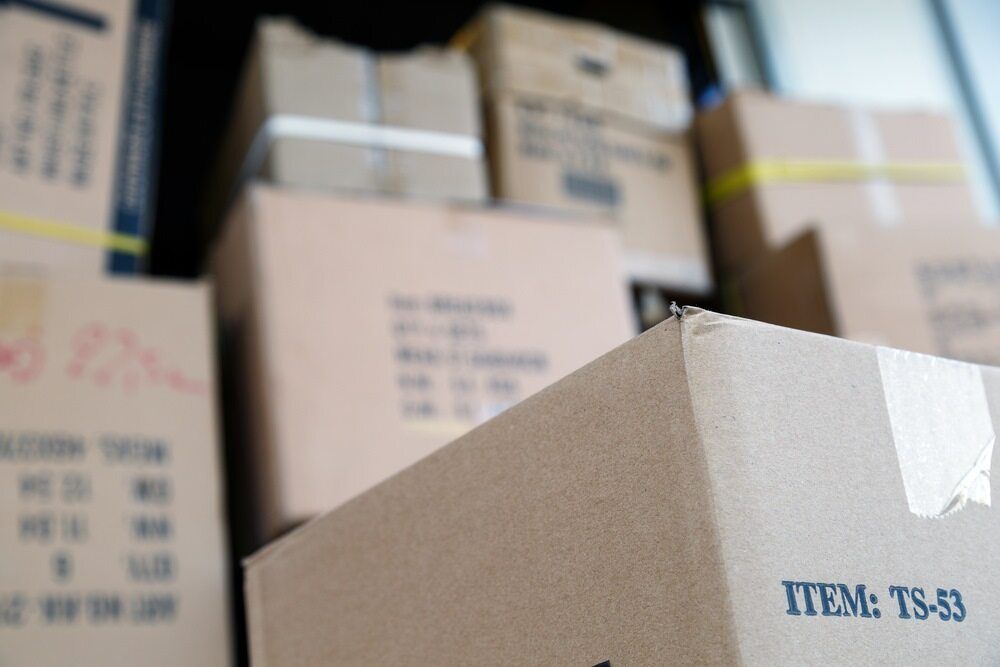
Yes, many removal and storage companies offer professional packing services before items are placed into storage. Trained packers use sturdy boxes, bubble wrap, and protective coverings to ensure belongings are safe for long-term storage. They’ll also label boxes clearly, making retrieval far easier later.
Professional packing is especially useful for fragile items like glassware, antiques and electronics that can deteriorate if not stored properly. Having experts handle the packing can reduce the risk of damage and give you greater peace of mind.
Are there security measures beyond locks on units?
Yes, modern storage facilities go beyond padlocks. Many include CCTV surveillance, electronic gate access with unique codes, and perimeter fencing. Some even use individual alarms on units for added protection. Staff may perform routine security checks and restrict entry outside authorised hours.
Choosing a facility with multiple layers of security reduces the risk of theft or unauthorised access. It’s worth asking about the specific measures in place before committing to a storage rental.
What’s the best way to store appliances in secure storage?
Appliances such as fridges, washing machines and microwaves need special preparation. They should be cleaned thoroughly and dried to prevent mould or odours. Doors should be left slightly open to allow ventilation, and internal components like hoses or trays should be removed and packed separately. Wrapping with padded covers prevents scratches or dents during handling.
Storing appliances upright is important to protect internal mechanisms. With proper preparation, appliances can remain in storage long-term without damage.
Can I share access to my storage unit with others?
Most storage facilities allow customers to authorise additional users who can access the unit. This is common for families, businesses or flatmates sharing costs. Access is usually managed through individual gate codes or signed authorisations at the facility office.
It’s important to only share access with trusted people, as the main account holder is still responsible for the contents. Keeping a clear record of who has access prevents confusion and maintains security.


